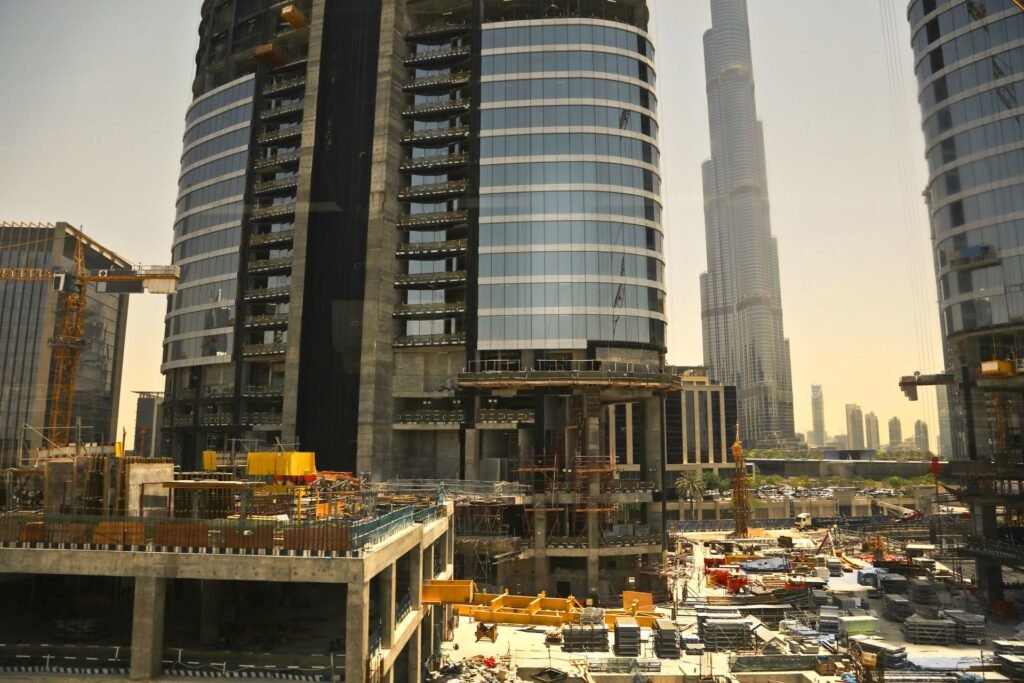
If you work with your hands and want to take your skills abroad, the Gulf should be on your radar. Look at any skyline in the region and you will see cranes, scaffolding, and fresh concrete. The Gulf states are still building at an impressive pace, and that steady stream of projects keeps demand for construction workers strong. When you browse construction jobs Gulf 2026 postings on international job boards, the same pattern shows up again and again: employers across the region are hiring, from large contractors to specialist subcontractors.
What makes the Gulf attractive is not just the volume of work. Many workers are drawn by the chance to earn a solid income and save a meaningful share of it. Contracts are usually fixed-term and renewable, and many employers cover flights, housing, and medical insurance. It is a very different deal from piecing together short gigs at home.
This guide walks you through the roles employers are hiring for, the skills that get you noticed, and a practical path to applying.
Roles in Demand
General construction laborers and helpers. Every site needs reliable general workers for loading, cleaning, assisting skilled trades, and site preparation. These roles are often the easiest entry point if you have limited formal experience but are physically fit and willing to work hard.
Masons, steel fixers, and carpenters. Structural work is the backbone of every project. Bricklayers, block layers, steel fixers who tie rebar, shuttering carpenters, and finish carpenters are consistently listed among the trades Gulf contractors need most.
MEP technicians: electricians and plumbers. Mechanical, electrical, and plumbing work runs through every building. Electricians who can handle wiring, panels, and testing, and plumbers who can install and maintain piping systems, are in steady demand on both new builds and maintenance contracts.
Heavy equipment operators. Excavators, cranes, loaders, bulldozers, and forklifts keep big sites moving. Licensed operators with a clean safety record are valued because one skilled operator can keep a whole crew productive.
Supervisors, foremen, and site engineers. Contractors need people who can run a crew, read drawings, manage schedules, and keep quality up. If you have years on site and can lead, supervisory roles are where the better packages tend to be.
Health and safety officers. Gulf projects take site safety seriously, and HSE officers who can run inductions, inspect sites, and enforce procedures are hired on projects of every size.
Hospitality and support roles. Big projects also need cooks, cleaners, drivers, and camp staff. Job boards show hospitality hiring running alongside construction hiring, which opens doors for workers whose skills sit just outside the trades.
Skills and Qualifications Employers Want
For trade roles, proven hands-on skill matters more than paper credentials. Employers want to see that you can actually do the work: lay block straight, wire a panel correctly, operate the machine smoothly. A portfolio of past projects, photos of your work, or references from previous supervisors can carry real weight.
That said, documents open doors. Trade certificates from a recognized institute, equipment operator licenses, and safety training such as scaffolding or first aid make your application stronger. For supervisory and engineering roles, a relevant diploma or degree plus site experience is usually expected.
English is the working language on most Gulf sites, where crews come from many countries. You do not need perfect grammar, but you do need to understand instructions, read basic signage, and communicate clearly with supervisors and teammates. Workers who pick up basic phrases for the site often settle in faster.
Attitude counts too. Gulf employers value punctuality, discipline, and the ability to work long shifts in hot conditions. If you can show a history of finishing contracts and getting rehired, recruiters notice.
How to Apply
Start by getting your documents in order: a clear CV that lists your trade, years of experience, and the specific tasks you can perform; copies of certificates and licenses; and a passport with plenty of validity left. Keep digital scans of everything, because most applications happen online.
Search for construction jobs Gulf 2026 openings on reputable international job boards and the career pages of major Gulf contractors. Filter by your trade and read each posting carefully. Legitimate employers describe the role, the location, and the package clearly. Be cautious of anyone asking you to pay a fee to secure a job or a visa. Real employers do not charge you for the privilege of being hired.
Recruitment agencies can help, especially ones with a long track record of placing workers in the Gulf. Check that the agency is licensed in your home country and ask for the employer’s name and contract terms before you sign anything. Never hand over your original passport to an agent.
When you get an offer, read the contract line by line before you accept. Check the salary, working hours, overtime terms, accommodation, food allowance, medical cover, annual leave, and who pays for your flight home. If something is promised verbally, ask for it in writing. A clear contract protects both sides.
Practical Tips for Your Job Search
Apply to roles that match what you can genuinely do. Recruiters in the Gulf see a huge volume of applications, and the ones that stand out describe specific skills rather than vague claims. Instead of writing that you are a hard worker, list the machines you operate, the materials you work with, and the types of projects you have completed.
Prepare for a practical assessment. Many employers test trade skills before finalizing an offer, sometimes through a video call where you describe your process or through a trial task. Be ready to talk through how you approach a job step by step.
Think about timing and patience. Hiring for big projects happens in waves, and the process from application to deployment can take weeks. Keep applying, keep your documents ready, and do not put all your hopes on a single posting.
Finally, plan for life on site, not just the job. The market for construction jobs Gulf 2026 rewards workers who adapt well: people who handle the heat, respect local customs and laws, and build good relationships with their crew tend to get their contracts renewed and recommended onward. The Gulf can be a demanding place to work, but for workers who are prepared, it can also be one of the most rewarding moves of a career.
A note on visas and immigration: immigration and work permit rules change often and differ between Gulf countries. Always check the official government immigration source of the country you are applying to before you accept an offer or travel.
Pingback: Gulf Jobs Hub 2026: Every Gulf Guide in One Place - Jobs27